Affordable Senior Care Services: Ensuring Ease and Safety at Home
Affordable senior assistance programs are fundamental in backing the elderly community. These options, including in-home assistance and community resources, facilitate seniors to sustain independence while availing mandatory support. Families often navigate challenges in deciding on the fitting variety of care. Familiarizing oneself with the various programs at hand and their implications can greatly determine an elderly individual's life satisfaction. Exploring key factors in selection processes may reveal surprising perspectives. What considerations should families prioritize to guarantee the superior care?
Forms of Inexpensive Elderly Support Resources
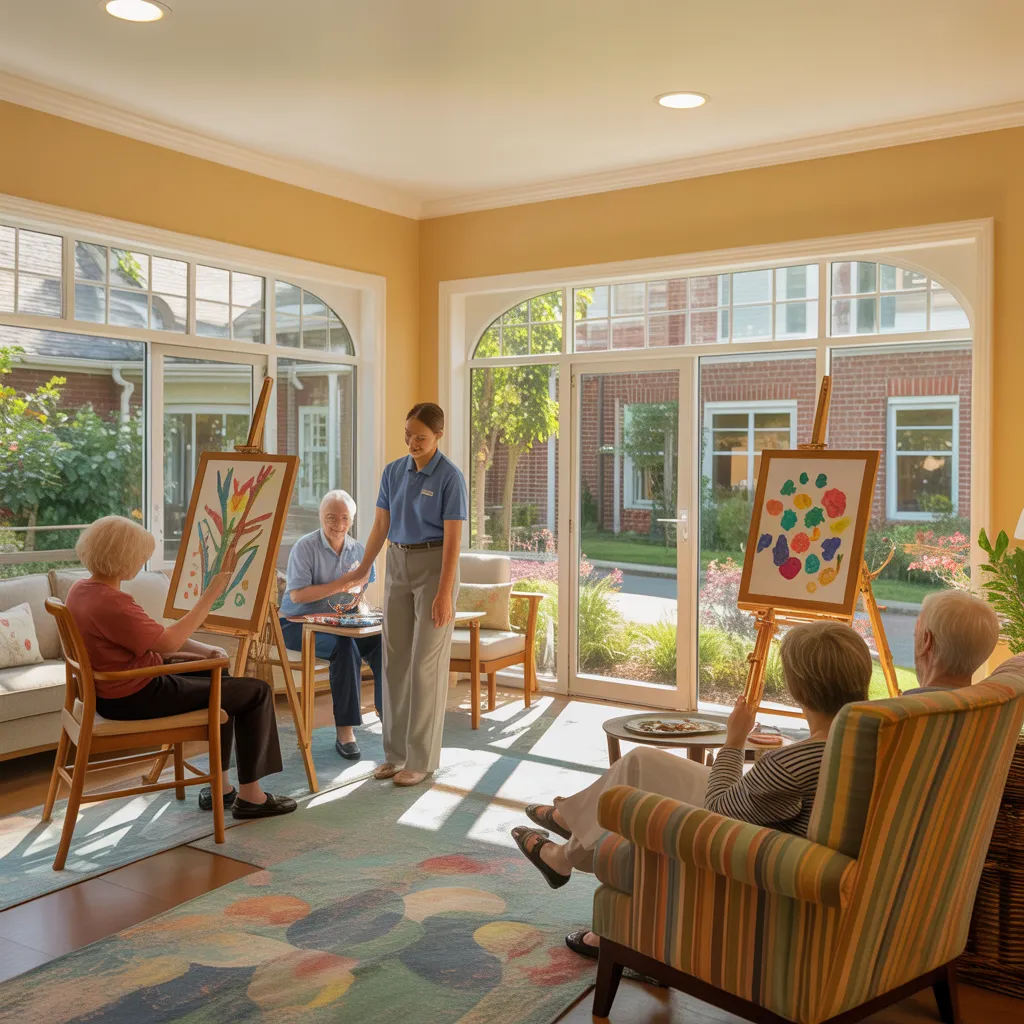
Affordable elderly care solutions offer a collection tailored to cater to the varied needs of older adults. These services usually involve in-home care, which may include support with daily tasks such as bathing, meal prep, and medication management. Another option includes adult day care, providing a secure place for seniors throughout the day, giving caregivers a respite while also offering social interaction and engaging activities for attendees. Furthermore, community-based services, like transportation and meal delivery, enhance seniors' independence by helping them maintain community ties. Respite care is also offered, giving family caregivers temporary relief while making sure their loved ones get necessary support. Lastly, senior centers mostly provide programs that encourage health, wellness, and social connection, fostering a sense of belonging. These varied options enable families to choose the best care solutions based on personal needs and financial factors.
How Can You Evaluate the Difference Between Home Care and Assisted Living?
When weighing the best care option for an elderly loved one, how does one weigh the benefits of home care against those of assisted living? Home care helps seniors to live in a familiar environment, promoting comfort and emotional well-being. Caregivers offer custom help, including companionship and medical care, adapted to individual needs. This alternative often promotes independence, allowing seniors the ability to retain their daily routines.
On the other hand, residential care homes deliver extensive services, including meals, social activities, and 24/7 supervision. This environment fosters social interaction and engagement, which can be beneficial for emotional wellness.
In conclusion, the selection is contingent on the senior's health status, level of independence, and personal preferences. Families should assess the severity of care required, financial implications, and the senior's inclination toward community connection or domestic comfort. A thorough evaluation of these factors will direct report families to the most appropriate choice for their loved one's care.
Vital Components for Evaluating Standards in Senior Care Offerings
When assessing elderly care options, several critical factors emerge as indicators of quality. Caregiver qualifications and training play an vital role in ensuring quality support, while robust safety protocols and procedures are necessary for maintaining a secure environment. Additionally, personalized care plans can greatly enhance the health and happiness of seniors by meeting their unique needs and preferences.
Caregiver Requirements And Education
Although the availability of compassionate caregivers is crucial, their qualifications and training significantly influence the quality of elderly care provision. Care professionals should possess appropriate qualifications and academic credentials in fields such as nursing, geriatric care, or social work. Training programs that emphasize practical skills, communication, and empathy are essential for effective caregiving. Continuous career advancement ensures that care workers remain current on leading standards and changing requirements of seniors. Background checks and references additionally strengthen trustworthiness, providing reassurance to families. Ultimately, properly qualified care providers not only deliver necessary everyday assistance but also create a comforting environment, encouraging both bodily and mental health. Evaluating these qualifications can significantly affect the overall quality of care received by seniors at home.
Safety Standards And Operations
How can families guarantee their family members are safe while receiving senior care? Establishing robust safety protocols and procedures is crucial. This includes frequent safety evaluations of the residential setting, confirming it is devoid of hazards like clutter or inadequate lighting. Care providers should have defined procedures for emergency situations, including clear communication channels and readily available emergency contacts. Regular training programs for caregivers on safety practices improve their preparedness. Additionally, households should verify that elderly care providers comply with local regulations and standards, which often include safety guidelines. Overseeing the execution of these protocols helps families determine that their loved ones obtain care in a secure and protected environment, eventually advancing their well-being and emotional comfort.
Tailored Health Service Approaches
Personalized care plans are essential for guaranteeing that senior care services meet the unique needs of each person. These plans are customized to address various aspects of a senior's life, including health, emotional, and social needs. Assessment begins with a comprehensive evaluation by healthcare professionals, who consider medical history, current health status, and personal preferences. Strong dialogue between caregivers, family members, and the senior is crucial for developing a plan that fosters independence and enhances quality of life. Regular reviews and adjustments to the care plan confirm that it remains relevant as circumstances change. This proactive approach not only supports physical health but also promotes emotional well-being, ultimately leading to a more fulfilling and dignified life at home.
How do you Access Financial Assistance for Elderly Care Services?
To obtain financial aid for senior care, grasping the range of resources accessible to families is critical. Government aid programs, charitable organizations, and coverage options can substantially reduce the economic burden. Examining these avenues is important for providing access to quality care affordably.
Government Benefits Initiatives
Many relatives face the intimidating task of financing senior care, often turning to government assistance programs for help. Such programs offer necessary financial support to defray expenses related to in-home care, adult day care, and nursing homes. Programs such as Medicaid, Medicare, and the Veterans Administration benefits provide various forms of assistance based on eligibility criteria. Families are able to apply through local and state offices, making sure to compile necessary paperwork like income and asset statements. Knowing the specific requirements of each program is key; certain programs cover defined services while others enforce income caps. Working with a financial advisor or senior care navigator helps families maneuver through this complex system, making the best use of resources for their senior care needs.
Materials Provided for Community Bodies
While working through the intricacies of senior care financing, families often disregard helpful charitable entities that can provide significant financial aid. Countless nonprofits work toward helping seniors and their families, offering grants, scholarships, and services customized to specific situations. Local nonprofits may offer financial support for home modifications, commuting services, or home-based care support, diminishing fiscal stress. Additionally, national organizations like the Area Agencies on Aging can link families with area assistance, securing entry to essential support. Engaging with these nonprofits not only enhances care options but also creates pathways to community programs built to enhance seniors' quality of life. Families are encouraged to look into and communicate, as these resources can greatly reduce the fiscal burden involved in senior care.
Insurance Alternatives Described
Navigating the landscape of senior care financing often guides families to examine multiple coverage choices that can provide essential monetary assistance. Extended care coverage is a primary choice, encompassing services like home-based assistance and assisted living. Families may also look into Medicare, which offers limited coverage for professional care and domestic healthcare, but usually does not cover long-term care. Medicaid, on the other hand, can be an important resource for economically disadvantaged seniors, providing comprehensive assistance for those who qualify. Additionally, some life coverage plans may offer living benefits or expedited payout options for extended care costs. Understanding these options enables households to make informed decisions, ensuring that their family members receive the required support without undue financial strain.
Tips for Tapping Into Community Resources for Lower-Cost Senior Care
Various local resources exist to support families locate affordable senior care solutions. Local public programs routinely give support through subsidized programs, for instance meal delivery and transportation. Area Agencies on Aging serve as valuable support centers, uniting families with obtainable assistance and support services tailored to seniors' needs.
Nonprofit bodies regularly offer programs that can ease the financial strain of caring support, such as volunteer support services and household maintenance aid. In addition, faith-based organizations may provide services or funding to support aging adults remain in their residences.
Families can also examine senior centers that often present activities, workshops, and resources for caregivers, fostering social support. Collaborating with other families through community forums can expose undiscovered resources and shared experiences. By capitalizing on these community assets, families can greatly cut the costs regarding senior care while securing their loved ones enjoy the support they need.
Making the Change Easy for Your Elderly Family Member
Using community resources can significantly simplify the procedure of adapting to new care plans for elderly family members. Local groups often offer assistance programs such as transit services, meal delivery, and recreational programs, which can enhance the standard of living. Creating a consistent schedule is crucial; familiarity can help alleviate anxiety during this transition.
Participating the aging individual in choices regarding their treatment generates a sense of autonomy and dignity. Fostering transparent dialogue about their wants and requirements can also enable a easier adjustment.
Additionally, developing a pleasant and familiar atmosphere at home, enriched with personal belongings and photographs, can furnish emotional assistance. Regular visits from family and friends can further boost their morale, rendering the shift appear less lonely. Through utilizing these strategies, households can support their family members in handling this significant life change with heightened assurance and ease.
Often Inquired Questions
What Standards Are Expected for Senior Care Providers in Elderly Care Provision?
Caregivers for senior care programs should possess relevant certifications, background with elderly care, excellent interpersonal abilities, empathy, and the capacity to complete duties such as drug administration, personal hygiene assistance, and movement assistance for clients.
How Can Families Track the Standard of Care at Home?
Families are able to evaluate service standards by staying in touch with caregivers, making home visits, observing how they interact, and documenting services of support offered. Feedback from older adults can also supply useful insights into their satisfaction levels and overall condition.
How Can You Identify the Signals That a Aging Adult Needs Increased Care?
Signals that a older person needs greater care include more frequent memory loss, difficulty completing daily activities, obvious weight loss, frequent falls, withdrawal from social interactions, and modifications in mood or behavior, showing a reduction in their overall wellness.
Can Modern solutions Provide Assistance in Elderly assistance at Home?
Technology may substantially benefit in home-based senior care by presenting remote monitoring, pharmaceutical alerts, and emergency response systems. Such resources strengthen safety, encourage independence, and empower care providers to supply urgent help when needed.
Which Legal Papers Do Loved Ones Should Develop for Aging Parent Planning?
Families ought to establish crucial paperwork such as durable power of attorney, healthcare proxy, living wills, and guardianship papers. These documents guarantee sound decision-making and safeguard seniors' preferences and rights in healthcare management.